
Social War in Pompeii – Resistance Against Rome
Table of Contents
A City at the Crossroads of War
The Social War in Pompeii was not just another chapter in the long history of Rome’s expansion. It was a moment when the bustling port city at the foot of Vesuvius stood defiant against its most powerful ally-turned-overlord.
In the early 1st century BC, Rome’s Italian allies had grown weary of supplying troops, taxes, and loyalty without enjoying the rights of citizenship. When negotiations failed, the peninsula erupted into the Social War (91–87 BC) — a conflict that would forever alter the fate of Pompeii.
The Road to Conflict
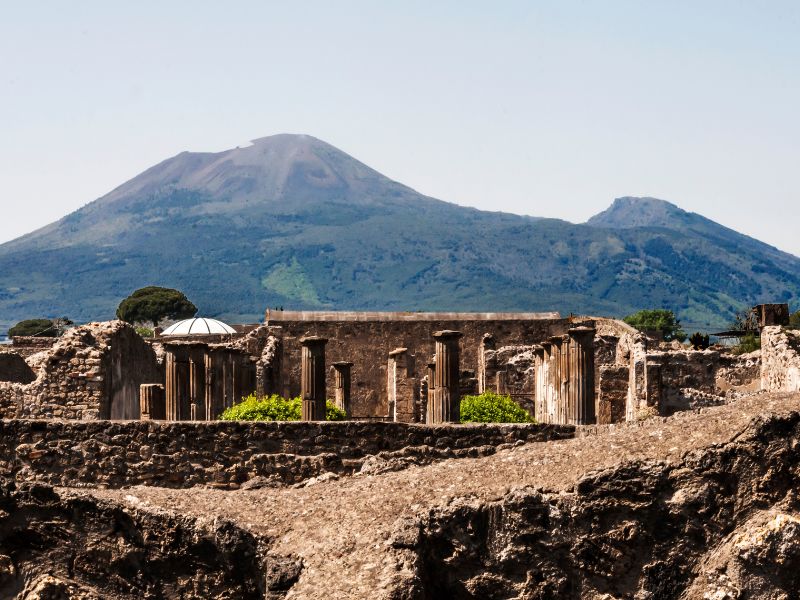
The Social War was born out of deep resentment. The Marsi, Samnites, Hirpini, Picentines, and many others — including the Pompeians — had long fought alongside Rome in its conquests. Yet they were denied full political rights.
According to ancient sources, their ambassadors reminded Rome of the countless campaigns they had supported, only to be told that their loyalty did not merit citizenship.
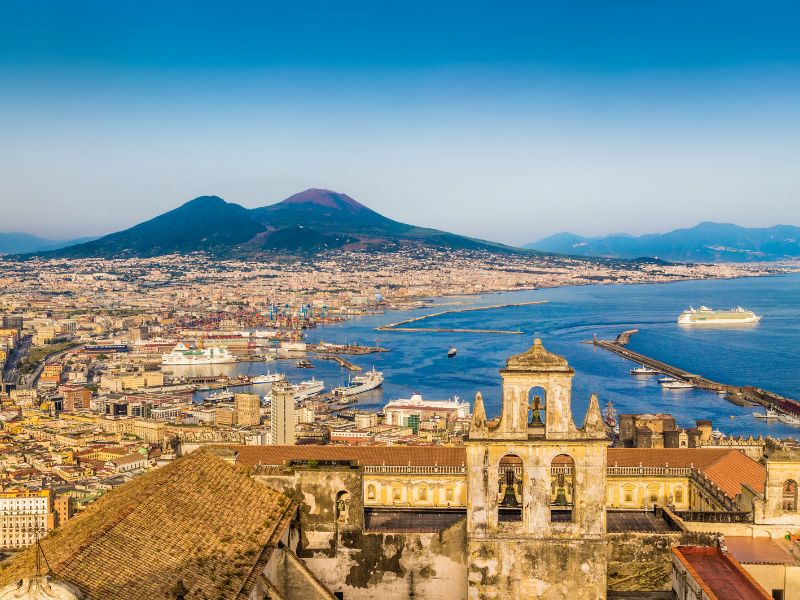
For Pompeii, strategically placed on the River Sarno with easy access to the Tyrrhenian Sea, the stakes were high. Control of the city meant control over a vital trade and military route in Campania.
Siege and Resistance
Herculaneum Falls, Pompeii Under Threat
In 89 BC, Roman general Lucius Cornelius Sulla — a rising star of the Republic — marched into Campania. His ally Titus Didius captured nearby Herculaneum, though he paid with his life on June 11. With Herculaneum lost, Pompeii found itself directly in the crosshairs.
Military Organization Inside the Walls
Inside the besieged city, defense was carefully coordinated. Archaeologists have uncovered Oscan inscriptions painted on house walls, giving directions for troop movements. One such message instructed defenders to gather between the “12th tower” and the “Salt Gate” — what we now call the Herculaneum Gate.
The Clash Near the Pompeian Hills
Relief came — briefly — in the form of Lucius Cluentius, a commander of the allied forces. Setting camp just 600 meters from Sulla’s position, Cluentius engaged in skirmishes near the Pompeian hills. His early victories were short-lived; Sulla’s disciplined legions eventually crushed the resistance between Pompeii and Nola.
Sulla’s Mark on Pompeii
Graffiti Evidence
Not all traces of the siege are found in monumental ruins — some are etched into plaster. On the first tower west of the Vesuvian Gate, graffiti reads simply “L. Sula.” Whether carved by a loyalist soldier or a taunting Roman legionary, it stands as a personal imprint of the general’s presence.
Scars in the Stone
The northern walls of Pompeii still bear the round pockmarks of Roman catapult stones. Some of these missiles have been excavated from within the city, notably in the House of the Vestals and the House of the Labyrinth. Standing before these walls today, it’s easy to imagine the thunderous crash of stone against masonry.
The Aftermath – Pompeii’s Transformation
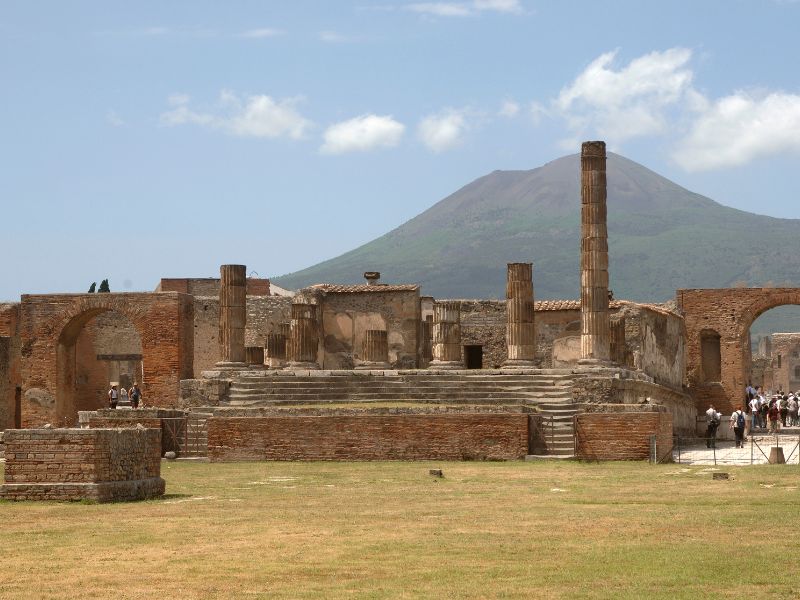
Pompeii’s defeat brought more than a loss of independence. In the following years, Sulla settled thousands of his veterans in the city, transforming it into a Roman colony known as Colonia Cornelia Veneria Pompeianorum. The language of power shifted from Oscan to Latin, and local politics became dominated by the names of Sullan officers and their descendants.
While the city retained much of its physical layout, its cultural and political identity had been irrevocably altered. The Social War in Pompeii marked the end of its status as an independent ally — and the beginning of its integration into the Roman world.
The End of Independence
The Social War in Pompeii was a turning point — a blend of fierce resistance and inevitable defeat. While the city’s walls bore the brunt of Sulla’s artillery, it was Pompeii’s political autonomy that suffered the greater wound.
Yet even in defeat, Pompeii’s defiance is written into its archaeology: in the graffiti, in the pitted walls, and in the urban scars left by siege engines more than two millennia ago.